
Why Nervous System Regulation Matters for Your Relationship With God
If your body feels:
• anxious
• exhausted
• numb
• constantly “on”
You are not simply a hopeless sinner. You are also a human body responding to the environment around you. And your inability to instantly calm yourself is not proof of weak faith. Your nervous system may simply need repeated experiences of safety. Because that is how the nervous system learns. Through new evidence.

Trauma Lives in the Body, Not the Timeline (Here’s What That Means)
As Gabor Maté teaches:
“Trauma is not what happens to you. It is what happens inside you as a result of what happens to you.”
The NICU was the event.
But trauma is the imprint it left behind.

Why a Therapy Intensive Can Help You Heal Faster After NICU Trauma
A therapy intensive creates the conditions your nervous system actually needs to heal: Uninterrupted Time to Process
We are not stopping right when something important comes up.
We stay with it long enough for your body to move through the experience.
How Do You Know If What You’re Feeling After the NICU Is PTSD?
PTSD is often misunderstood, especially in mothers. It does not always look like dramatic flashbacks or obvious panic. It can be subtle, internal, and deeply woven into daily life. More of a sneaky PTSD until we really start to look at the symptoms.

The Hidden Shame Many NICU Moms Carry
The NICU is an environment filled with uncertainty, medical authority, and high stakes decisions.
You are asked to trust doctors while also advocating for your baby.
You are separated from the natural rhythms of early motherhood.
You are navigating fear while trying to stay strong.
In that environment, the brain looks for meaning.
And often, it lands on self-blame.
Shame becomes a way for the mind to create a sense of control.
“If this was my fault, then maybe I can prevent it next time.”

Why You Still Feel Anxious After the NICU
Once your baby is home, the logical part of your mind may understand that things are stable. But the nervous system learns through experience, not just reassurance.
It needs repeated moments where your body experiences calm while your baby is safe.
Watching your baby sleep peacefully.
Feeding them without alarms or interruptions.
Holding them and feeling their breathing settle.
Each of these moments helps the brain update its internal model of the world.
Slowly, the nervous system begins to understand that the crisis is over.
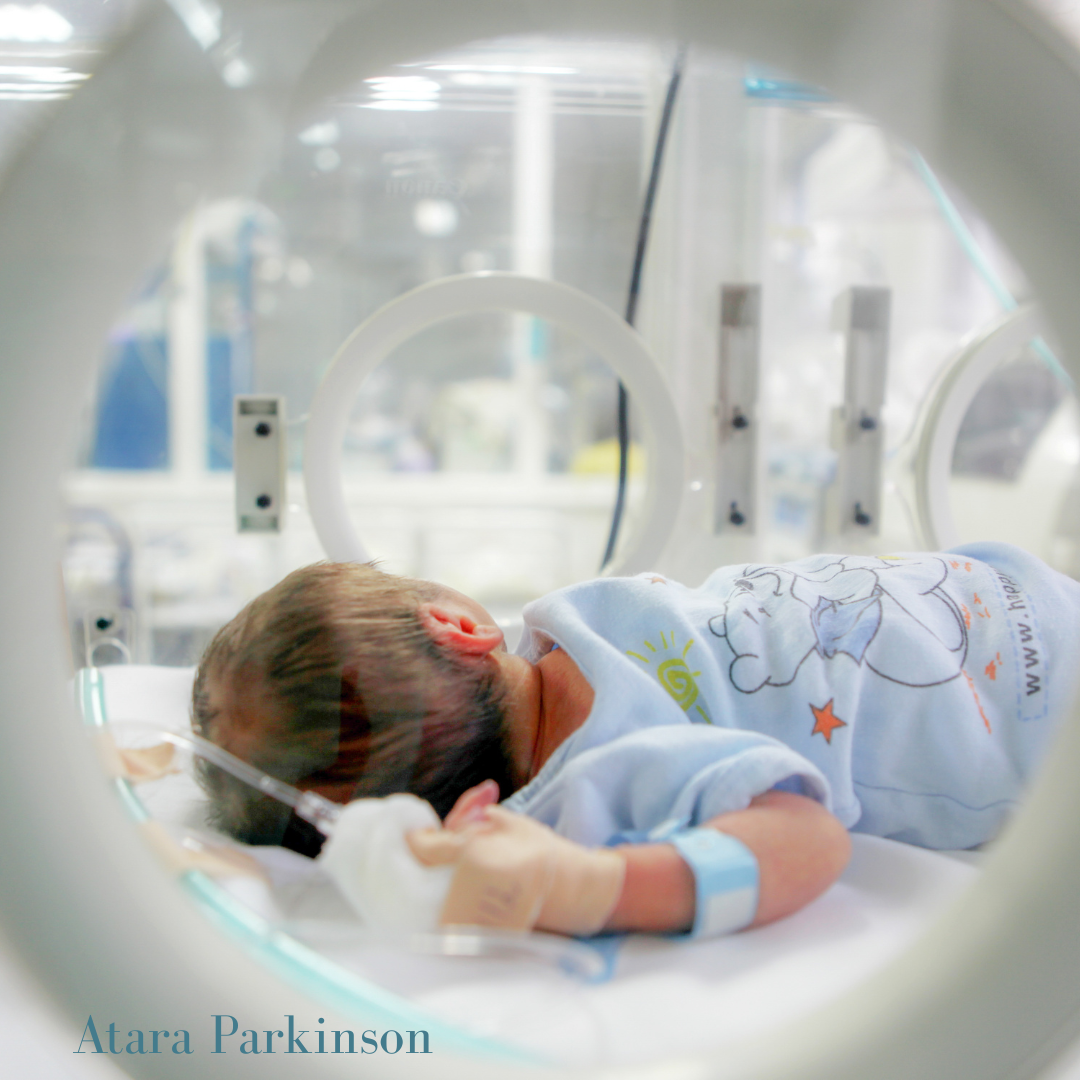
Why the NICU Trauma Doesn't End When You Leave the Hospital
In the NICU, many of the core expectations surrounding birth and early motherhood are abruptly disrupted.
Instead of holding your baby skin to skin, you may first see them surrounded by tubes and machines. Instead of predictable rhythms, there are alarms, medical updates, procedures, and unstable vital signs.
Each crisis creates a massive prediction error.

Calcium: The Structure Mineral That Holds You Together
Calcium plays a powerful role in nervous system stability, emotional containment, and stress protection. Learn how chronic stress can create a “calcium shell,” why this is a wise survival response, and how restoring balance supports softness, flexibility, and regulation.

Sodium: The Safety Mineral Your Nervous System Depends On
Your body is preaching a message about your soul. Depletion physically and depletion spiritually often overlap. Restoring one supports the other.
Magnesium: The Nervous-System Stabilizer
Magnesium is more than a nutrient. It is a messenger.
When it runs low, it signals that your body needs restoration, gentleness, and a return to inner peace.
When it is replenished, your nervous system learns to exhale again. Your emotional resilience grows stronger. Your soul feels steadier in its connection to God’s presence and protection.

Caffeine, Cortisol, and the Overwhelmed Mom: Why Coffee Spikes Anxiety and What To Do
Motherhood creates a chronically elevated stress baseline due to sleep disruption, constant multitasking, emotional labor, and the mental load that never ends. All of this pushes the adrenals to produce more cortisol, which is intensified by caffeine, and can contribute to symptoms commonly labeled as adrenal fatigue.

How Food Affects Your Mood: A Nervous System Approach to Eating
Many people approach food with control-based thinking: What do I need to fix to feel better? But your body responds more to connection than control.

Blood Sugar Swings and Anxiety: The Connection No One Talks About
If levels fall too quickly, your adrenals release cortisol and adrenaline to bring them back up — the same hormones behind anxiety, racing thoughts, and that “wired” feeling. Research from the Journal of Affective Disorders (Musselman, 2003) links these hormonal surges to anxious mood states and hypervigilance.

The Mineral Imbalance That Keeps Your Body in Fight-or-Flight
When your body experiences long-term stress; emotional, physical, or environmental, it burns through minerals at a faster rate.

Why You Feel Anxious After You Finally Slow Down
For weeks—or maybe years—you’ve been running on stress hormones. Cortisol and adrenaline help you power through deadlines, caregiving, or chronic emotional strain. This is your sympathetic nervous system in overdrive, also called the fight-or-flight state.

Faith and Feelings: Why Emotions Aren’t the Enemy of Spiritual Maturity
True spiritual maturity doesn’t come from suppressing emotion or worshiping intellect—it comes from integration.

The Science of Safety: How Your Vagus Nerve Calms Anxiety
Higher vagal tone is associated with resilience to stress and better emotional regulation.

5 Signs Your Body Is Stuck in Fight-or-Flight (And How to Reset)
The fight or flight response is your nervous system’s built-in emergency switch.

What It Really Means When Your Nervous System Is Dysregulated
These survival responses are God-given, ancient wisdom and deeply wired.