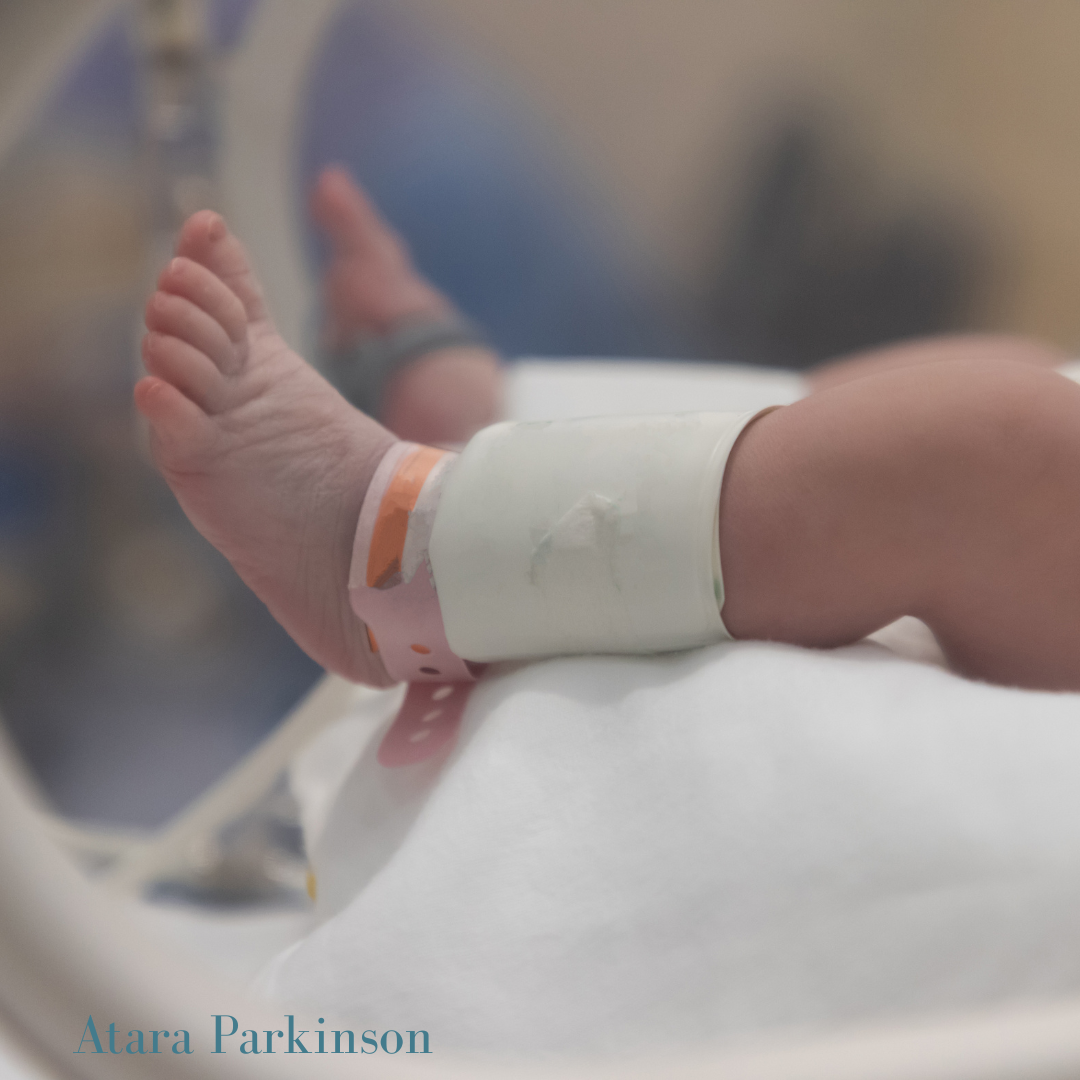
Why You Still Feel Anxious After the NICU
Once your baby is home, the logical part of your mind may understand that things are stable. But the nervous system learns through experience, not just reassurance.
It needs repeated moments where your body experiences calm while your baby is safe.
Watching your baby sleep peacefully.
Feeding them without alarms or interruptions.
Holding them and feeling their breathing settle.
Each of these moments helps the brain update its internal model of the world.
Slowly, the nervous system begins to understand that the crisis is over.

Blood Sugar Swings and Anxiety: The Connection No One Talks About
If levels fall too quickly, your adrenals release cortisol and adrenaline to bring them back up — the same hormones behind anxiety, racing thoughts, and that “wired” feeling. Research from the Journal of Affective Disorders (Musselman, 2003) links these hormonal surges to anxious mood states and hypervigilance.

The Science of Safety: How Your Vagus Nerve Calms Anxiety
Higher vagal tone is associated with resilience to stress and better emotional regulation.

5 Signs Your Body Is Stuck in Fight-or-Flight (And How to Reset)
The fight or flight response is your nervous system’s built-in emergency switch.
What It Really Means When Your Nervous System Is Dysregulated
These survival responses are God-given, ancient wisdom and deeply wired.