
The Hidden Shame Many NICU Moms Carry
The NICU is an environment filled with uncertainty, medical authority, and high stakes decisions.
You are asked to trust doctors while also advocating for your baby.
You are separated from the natural rhythms of early motherhood.
You are navigating fear while trying to stay strong.
In that environment, the brain looks for meaning.
And often, it lands on self-blame.
Shame becomes a way for the mind to create a sense of control.
“If this was my fault, then maybe I can prevent it next time.”
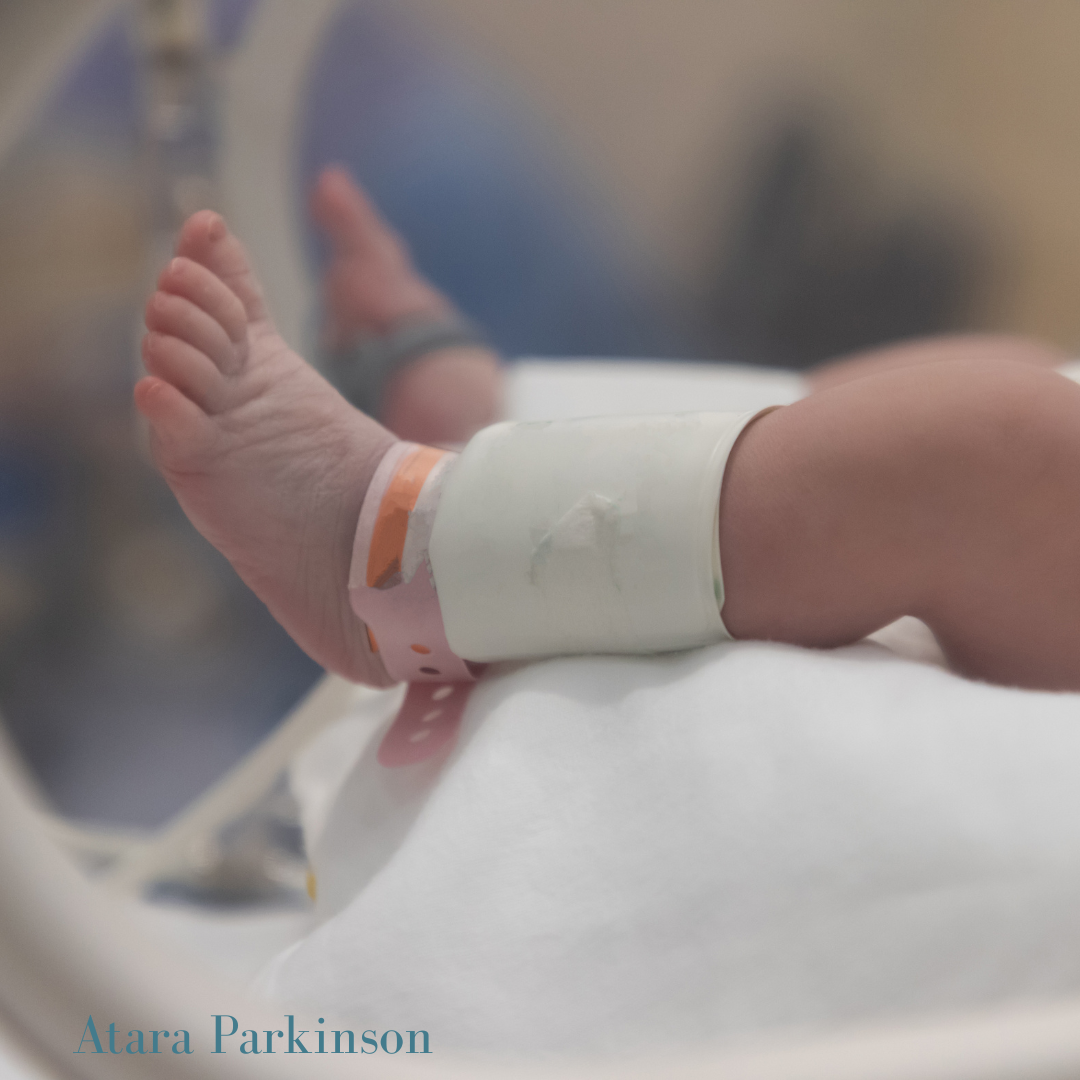
Why You Still Feel Anxious After the NICU
Once your baby is home, the logical part of your mind may understand that things are stable. But the nervous system learns through experience, not just reassurance.
It needs repeated moments where your body experiences calm while your baby is safe.
Watching your baby sleep peacefully.
Feeding them without alarms or interruptions.
Holding them and feeling their breathing settle.
Each of these moments helps the brain update its internal model of the world.
Slowly, the nervous system begins to understand that the crisis is over.
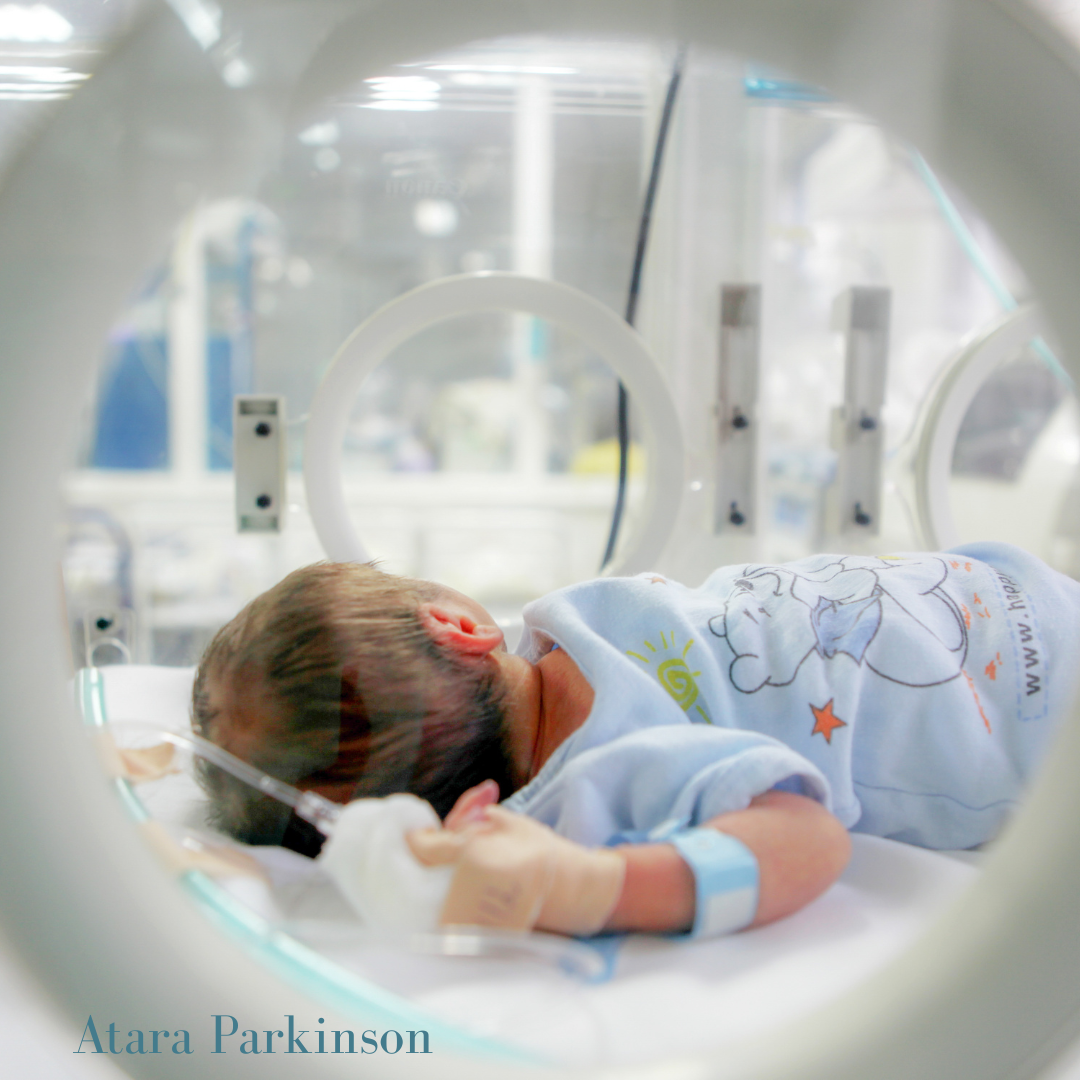
Why the NICU Trauma Doesn't End When You Leave the Hospital
In the NICU, many of the core expectations surrounding birth and early motherhood are abruptly disrupted.
Instead of holding your baby skin to skin, you may first see them surrounded by tubes and machines. Instead of predictable rhythms, there are alarms, medical updates, procedures, and unstable vital signs.
Each crisis creates a massive prediction error.

Caffeine, Cortisol, and the Overwhelmed Mom: Why Coffee Spikes Anxiety and What To Do
Motherhood creates a chronically elevated stress baseline due to sleep disruption, constant multitasking, emotional labor, and the mental load that never ends. All of this pushes the adrenals to produce more cortisol, which is intensified by caffeine, and can contribute to symptoms commonly labeled as adrenal fatigue.